
Are There Alternatives to Chemical Drain Cleaners for Pipes?
Last Updated: October 24, 2026
Quick Summary
Alternatives to chemical drain cleaners include baking soda and vinegar for light organic clogs, plungers and drain snakes for stubborn blockages, and enzyme or bacterial cleaners for slow, recurring drains. Mechanical tools physically remove clogs, while enzyme products digest grease and soap scum over hours or days. Chemical drain cleaners should be a last resort, not a first move.
- Diagnose the clog first: one slow sink is local, but multiple backups point to a main line problem.
- For baking soda and vinegar, use half a cup of baking soda, one cup of white vinegar, and wait 10 to 15 minutes.
- Enzyme cleaners work over hours or days, so they suit slow drains rather than fully blocked ones.
- Never plunge or snake a drain right after pouring a chemical cleaner because splashback can burn skin and eyes.
- Call a plumber when a clog returns within days or multiple fixtures drain slowly at the same time.
Table of Contents
- Why Homeowners Are Moving Away From Chemical Drain Cleaners
- How to Unclog a Drain Without Drano: Diagnose the Clog First
- The Baking Soda and Vinegar Drain Cleaner Method
- Mechanical Options: Plungers, Drain Snakes, and Hydro Jetting
- Enzyme Drain Cleaner for Pipes: How Biological Cleaning Works
- Pipe-Material Compatibility and Mixing Safety
- Prevention Schedule and When to Call a Plumber
- Choosing Your Drain-Cleaning Approach With Dwello
- Frequently Asked Questions
Why Homeowners Are Moving Away From Chemical Drain Cleaners
Chemical drain cleaners work fast, but they come with a trade-off many homeowners don’t see until it’s too late.
At Dwello Home Services, our plumbers see the results of overused chemical cleaners on service calls: softened pipe walls, corroded fittings, and clogs that keep coming back because the root cause was never addressed.
Here’s the honest truth most guides skip: a chemical drain cleaner is a temporary fix. It eats through what it can reach, then leaves the rest of the blockage in place.
How to Unclog a Drain Without Drano: Diagnose the Clog First
Before you pour anything down the drain, figure out what kind of clog you’re dealing with. Diagnosis takes two minutes and saves you from wasting effort on a method that won’t work.
Start with these checks:
- Where is the backup? One slow sink points to a local clog. Multiple drains backing up at once points to a main line problem, which is not a DIY job.
- What’s the standing water doing? If it drains slowly but does drain, the clog is partial. If it sits completely still, the blockage is full.
- What went down? Grease, hair, and soap scum behave differently than food debris or a foreign object.
Watch out: if water backs up into other fixtures when you run one tap, stop and call a plumber. If you’re also noticing weak flow throughout the house, our guide on why water pressure drops can help you tell a drain issue apart from a supply problem.
The Baking Soda and Vinegar Drain Cleaner Method
The baking soda and vinegar drain cleaner is the most popular DIY option, and it’s genuinely useful for light clogs caused by soap scum, hair, and organic buildup.
Here’s how to apply it properly:
- Remove standing water first. Bail or sponge it out so the ingredients reach the clog instead of floating on top.
- Pour half a cup of baking soda directly into the drain.
- Follow with one cup of white vinegar. It will fizz immediately.
- Cover the drain with a plug or cloth to trap the reaction for 10 to 15 minutes.
- Flush with a pot of hot, not boiling, water.
- Repeat once if the drain is still slow.
Salt can be added to the baking soda for a slightly more abrasive mix, and lemon juice works as a substitute for vinegar if that’s what you have. Just don’t mix vinegar and bleach or ammonia in the same drain.
Mechanical Options: Plungers, Drain Snakes, and Hydro Jetting
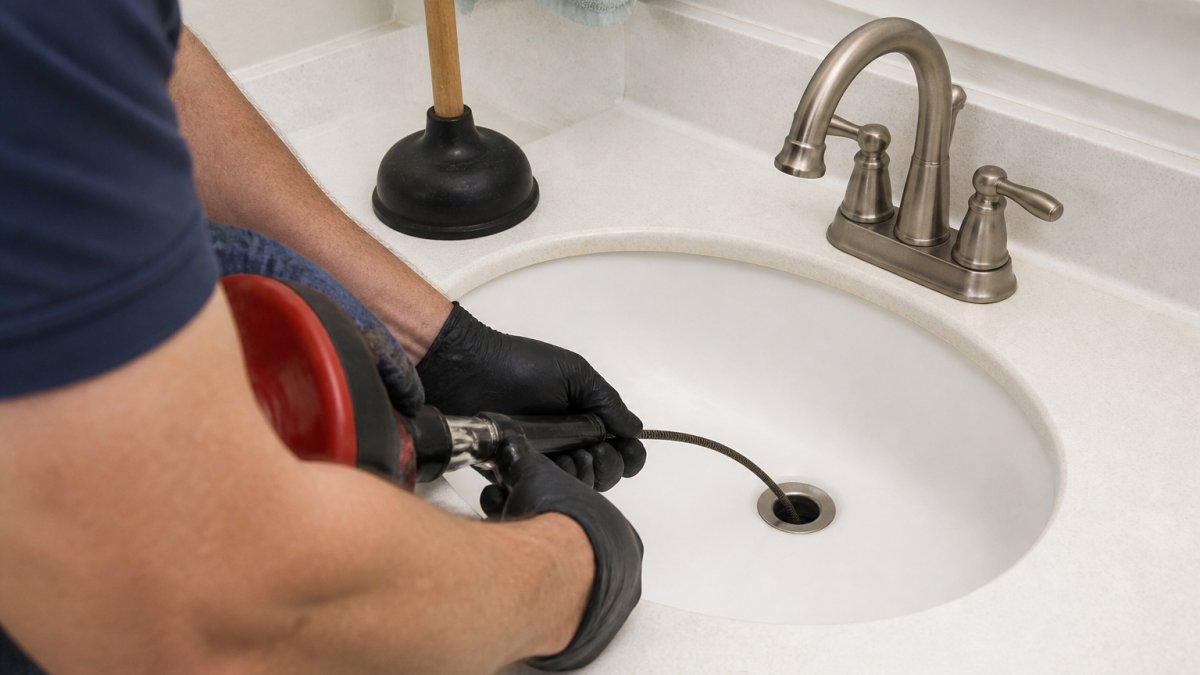
Mechanical clearing beats chemistry for most stubborn clogs, because it physically removes the blockage instead of dissolving part of it. A drain snake for clogged pipes reaches deeper and pulls hair and debris back out. Consumer Reports guidance on choosing a drain cleaner notes that gentler methods should come before harsh chemicals, and mechanical tools fit that advice well.
For grease or tree-root problems, a plumber may use hydro jetting, which blasts water at high pressure to scour the pipe walls clean. That’s professional equipment, not a homeowner tool.
Enzyme Drain Cleaner for Pipes: How Biological Cleaning Works
An enzyme drain cleaner for pipes uses biological agents to break down organic matter, and it’s the gentlest option on this list. Enzymatic cleaners produce enzymes that digest grease, soap scum, and food debris over time.
What most guides miss is the timeline. These products are maintenance tools, not emergency fixes. They work over hours or days, so they suit a slow drain or a recurring clog, not a drain that’s fully blocked right now.
Pipe-Material Compatibility and Mixing Safety
Not every remedy suits every pipe, and this is where a lot of DIY attempts go wrong.
| Method | Best For | PVC | Copper | Galvanized Steel | Cast Iron / Older Metal | Works On |
|---|---|---|---|---|---|---|
| Baking soda + vinegar | Light organic clogs | Safe | Safe | Safe | Safe | Soap scum, hair |
| Hot (not boiling) water flush | Grease, soap residue | Safe | Safe | Safe, but avoid thermal shock | Safe, but avoid thermal shock | Grease, soap scum |
| Plunger | Sinks, toilets | Safe | Safe | Safe | Use light pressure only | Soft blockages |
| Manual drain snake | Deeper clogs | Safe with a plastic or guarded head | Safe with care | Safe with care | Use a smaller head to avoid scraping | Hair, debris |
| Enzyme / bacterial cleaner | Maintenance, slow drains | Safe | Safe | Safe | Safe | Grease, organic buildup |
| Chemical cleaner | Fast, severe clogs | Not recommended, heat can soften joints | Not recommended, corrosive to thin walls | Not recommended, accelerates corrosion | Not recommended, can worsen pitting | Limited reach |
Why the material matters. PVC is vulnerable to heat, so a pot of boiling water or a caustic cleaner that generates heat can soften the pipe wall and the glued joints.
Mixing safety is not optional. Two rules matter more than any recipe:
- Never combine chemical cleaners with each other, with vinegar, or with ammonia. Caustic and acidic products react, and the result can be violent splashing or toxic gas. Bleach plus ammonia produces chloramine vapors; bleach plus acid produces chlorine gas. Neither belongs in a drain you’re standing over.
- Never plunge or snake a drain right after pouring a chemical cleaner. The line is full of caustic liquid, and splashback can burn skin and eyes. Flush the line thoroughly with water first, and wear eye protection and gloves for any drain work.
If you’ve already poured a chemical cleaner and the drain is still blocked, do not add a second product to “boost” it. Call a plumber and tell them what was used so they can take the right precautions.
Ventilation and splash precautions. Open a window or run the exhaust fan before any treatment, especially with vinegar, enzyme products, or hot water. Keep your face out of the splash zone when pouring, and never look directly down the drain while a reaction is happening. If a product contacts your skin or eyes, rinse with cool water for at least 15 minutes and follow the label’s first-aid instructions.
The non-toxic label is not a pipe-safety label. A product can be labeled non-toxic and still be unsuitable for a septic system or an older metal drain line.
Prevention Schedule and When to Call a Plumber
The best long-term solution is a schedule, not a rescue. A drain that clogs once will usually clog again unless you change what goes down it and how often you flush the line.
Weekly
- Run hot, not boiling, water down each sink, tub, and shower drain for 30 to 60 seconds. This keeps grease and soap residue moving instead of cooling and coating the pipe wall.
- Wipe grease out of pans with a paper towel and throw it away before washing. Grease that goes down the drain cools and congeals, and it is the single most common cause of kitchen sink clogs.
Monthly
- Flush each drain with a full pot of hot water. For kitchen drains, follow with a half-cup of baking soda and a cup of vinegar, let it sit 10 to 15 minutes, then flush again with hot water.
- Pull hair out of tub and shower strainers by hand. Hair that reaches the trap is much harder to remove than hair caught at the surface.
Every few weeks to monthly, depending on the drain
- Use an enzyme maintenance product in slow drains, older pipes, and any drain that has clogged before. These products work continuously between applications, so consistency matters more than dose size.
- Run the dishwasher and washing machine on a full cycle with hot water occasionally to keep their drain lines moving.
Seasonally
- Check under sinks for slow drains, gurgling, or water stains around the trap. Small leaks and slow drains are cheaper to fix early.
- If you have a septic system, have the tank inspected and pumped on the schedule your provider recommends, typically every three to five years for a household of four, but confirm with your provider based on tank size and usage.
Fixture-specific habits that pay off
- Kitchen sink: Use a strainer, never pour grease or coffee grounds down the drain, and run cold water while using the disposal (cold keeps grease solid so it gets chopped and carried away rather than coating the pipe).
- Bathroom sink and tub: Install a hair catcher, brush hair before showering if you shed heavily, and avoid flushing wipes, dental floss, or cotton swabs.
- Toilet: Only human waste and toilet paper. “Flushable” wipes are a common cause of clogs even when labeled flushable.
When to call a plumber
Call a professional when any of these are true:
- The clog returns within days of clearing.
- Multiple fixtures drain slowly at the same time.
- You hear gurgling from other drains when one fixture drains.
A professional can clear a blockage a homeowner tool can’t reach and check for damage. When DIY methods fail, professional drain cleaning clears the line and includes a camera inspection so you know what caused it.
Prevention is cheaper than any rescue. A weekly hot-water flush, a monthly baking soda and vinegar treatment on kitchen drains, and an enzyme product in slow lines will prevent most clogs before they start, and when they don’t, the escalation list above tells you when to stop DIY and call a pro.
Choosing Your Drain-Cleaning Approach With Dwello
Matching the method to the clog is the whole strategy. Light organic clogs respond to baking soda and vinegar. Stubborn ones need a snake or a plunger. Slow, recurring drains call for an enzyme cleaner and a maintenance routine.
When you’d rather hand it off, Dwello Home Services offers professional drain clearing, so you know exactly what’s in the line before anyone recommends more. Our licensed plumbing contractors handle everything from a single slow sink to a main line backup, and you can request a quote in minutes.
Frequently Asked Questions
What are some natural alternatives to Drano for showers?
For shower clogs, start with a cup of baking soda followed by a cup of white vinegar, then flush with hot water after 15 minutes. A plunger or drain snake works well for hair and soap scum. Enzyme drain cleaners are a good maintenance option for slow drains. Avoid mixing multiple chemical products, and if the shower still backs up after two attempts, call a licensed plumber to check for a deeper blockage.
Can boiling water damage drain pipes?
Boiling water is generally safe for metal pipes but can soften or warp PVC and older plastic joints over time. Pour it in stages rather than a full pot at once, and never use boiling water on a toilet. For older homes with original plumbing, lukewarm water plus a plunger is the safer first step. If you are unsure what material your pipes are, have a plumber check before pouring anything hot.
Is a drain snake safer for pipes than chemical drain cleaner?
A drain snake for clogged pipes is usually safer than chemical drain cleaners because it clears the blockage mechanically without corrosive residue. Chemicals can damage older pipes, rubber gaskets, and septic systems. Snakes work best on hair, grease, and food debris. For tree roots or heavy grease buildup, hydro jetting by a professional is the next step. Always feed the snake slowly to avoid scratching the pipe walls.
When should I call a plumber for a clogged drain?
Call a plumber if water backs up in multiple fixtures, if you smell sewage, if the clog returns within days, or if DIY methods like a plunger, snake, or enzyme drain cleaner for pipes have not worked after two tries. Recurring clogs often point to root intrusion, a collapsed line, or a blocked main. A licensed technician can camera-inspect the line and clear it without risking pipe damage.
A clog that keeps returning usually means the blockage was never fully cleared, and that’s a job for proper equipment. Dwello Home Services brings licensed, certified technicians, clear communication, and no hidden fees to every call, with 24/7 emergency availability when a drain backs up at the worst possible time. Get started with Dwello Home Services and clear the clog for good.