
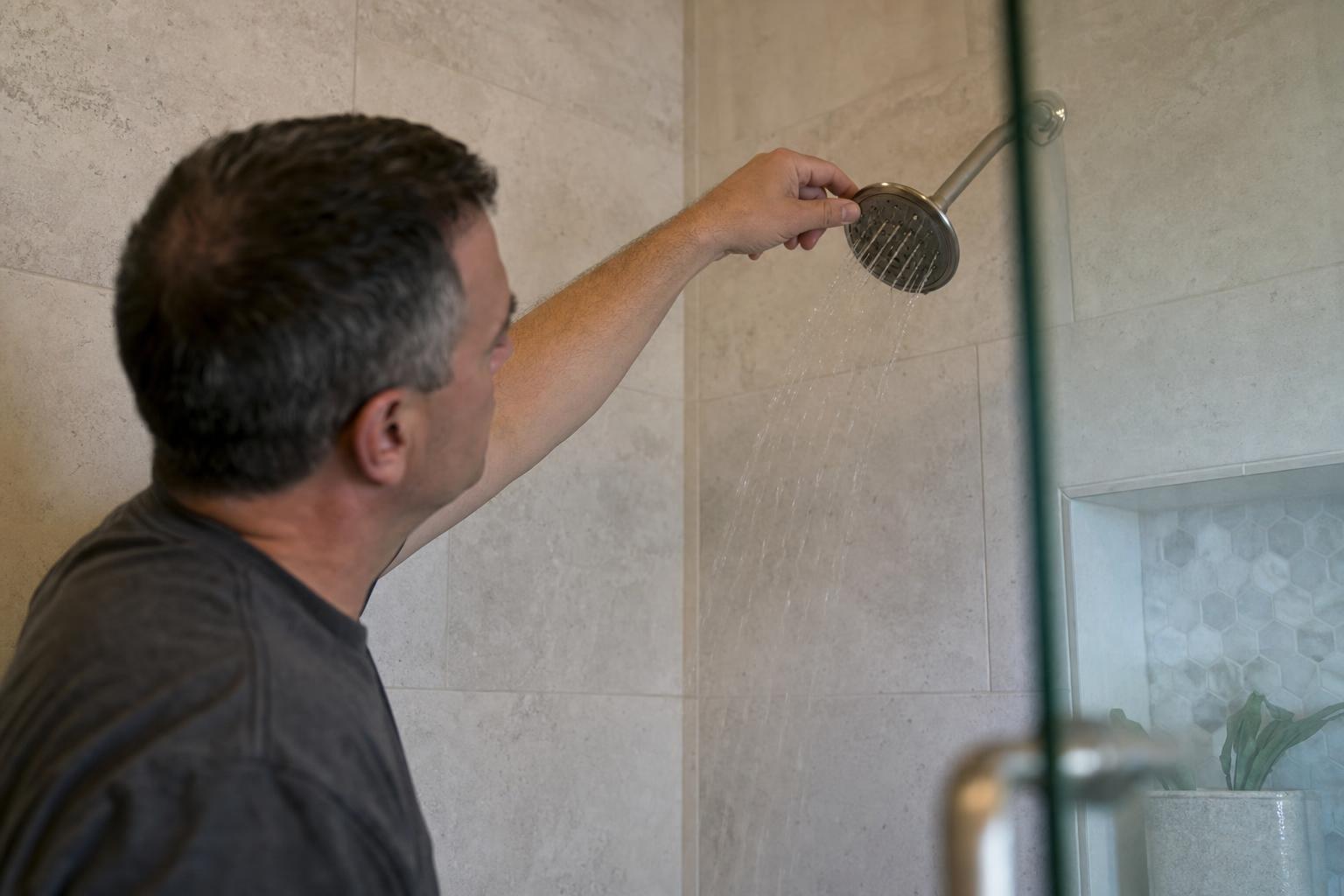
Low water pressure in your Duncanville home is more than an annoyance. It is usually a sign something is wrong with your pipes, your pressure regulator, or the supply line coming into your house. Our licensed plumbing team at Dwello Home Services diagnoses the problem fast and fixes it right.
Struggling with weak water pressure? Call us at (972) 776-4663.
Key Takeaways
- Low water pressure in your home is commonly caused by corroded pipes, mineral buildup, or a failing pressure regulator.
- A faulty pressure reducing valve is one of the most overlooked causes of sudden low water pressure in a house.
- If only one fixture has low pressure, the fix is usually localized. If it is whole-house, the problem runs deeper.
- Duncanville homeowners with older galvanized pipes are especially vulnerable to pressure loss from internal corrosion and buildup.
- A licensed plumber can diagnose and fix most low water pressure problems in a single visit.
Low water pressure in a house is almost never a mystery once you know what to look for. The cause is usually one of eight things, and most of them follow a clear pattern based on where you live and how old your home is. The water running through your home carries a hardness level of around 150 to 200 mg/L, which means mineral buildup inside your pipes and fixtures happens faster than most homeowners expect.
How to Actually Read Your Home Water Pressure
What Normal Water Pressure Looks Like
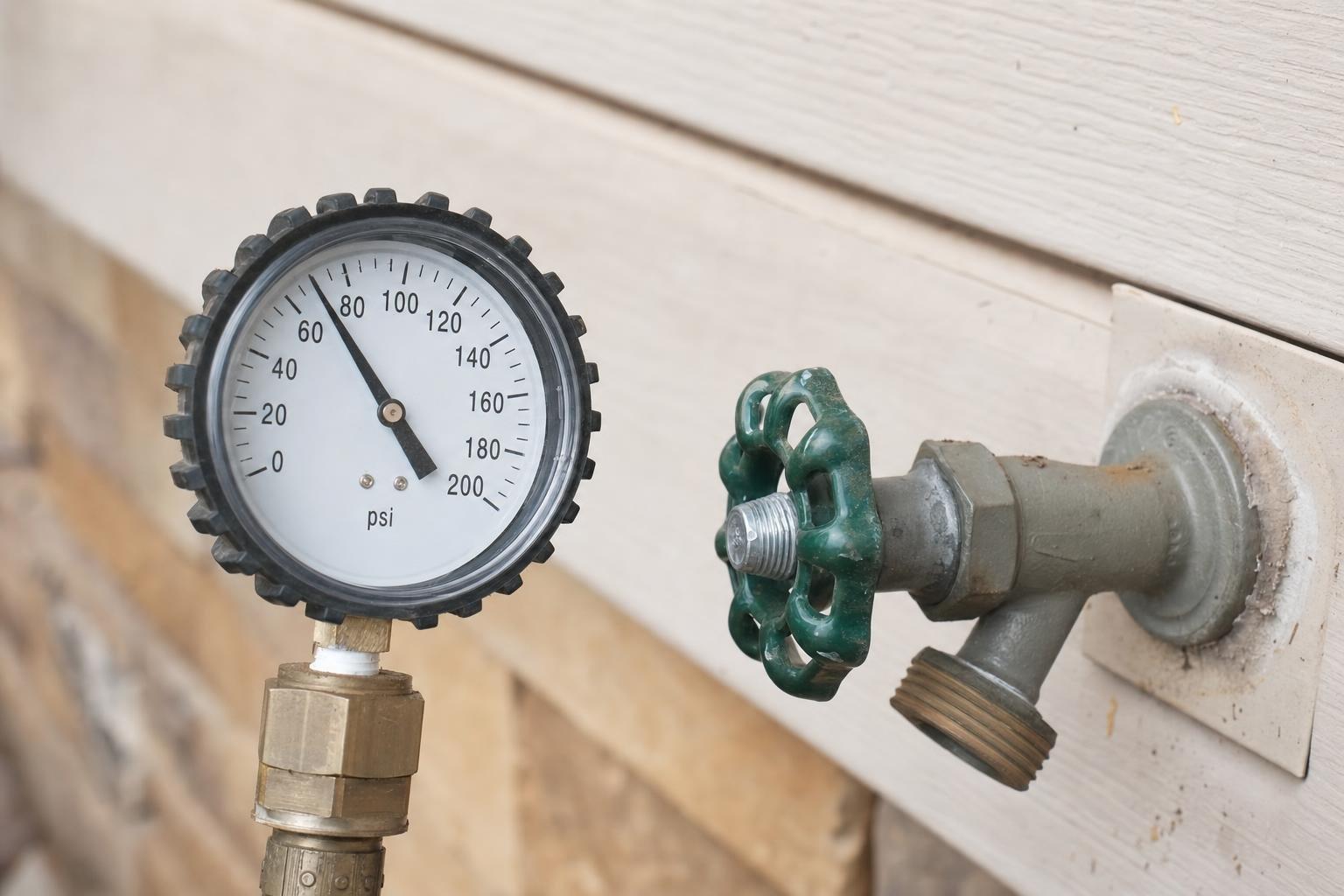
Residential water pressure should sit between 40 and 80 PSI. Most licensed plumbers set 60 PSI as the target. Below 40 PSI and your fixtures feel weak. Above 80 PSI and you are stressing your appliances, water heater, and supply lines.
How to Test Pressure with a Gauge
A hose bib pressure gauge costs under $15 at any hardware store. Turn off all fixtures inside the house, find the outdoor spigot closest to where the main water line enters the home, thread the gauge onto the spigot hand tight, open the spigot fully, and read the dial. If it reads below 40 PSI with everything off, you have a real pressure problem.
When to Test: Morning Baseline vs. Peak-Demand Hours
In southern Dallas County neighborhoods, municipal supply pressure drops noticeably on summer mornings between 6 and 9am when thousands of irrigation systems kick on at once. Test at 7am, then test again at 10am with all irrigation off. If pressure recovers by mid-morning, the problem is supply-side. If pressure stays low all day, the issue is inside your home.
The 8 Most Common Causes of Low Water Pressure in a Duncanville Home
1. Partially Closed Shutoff Valves
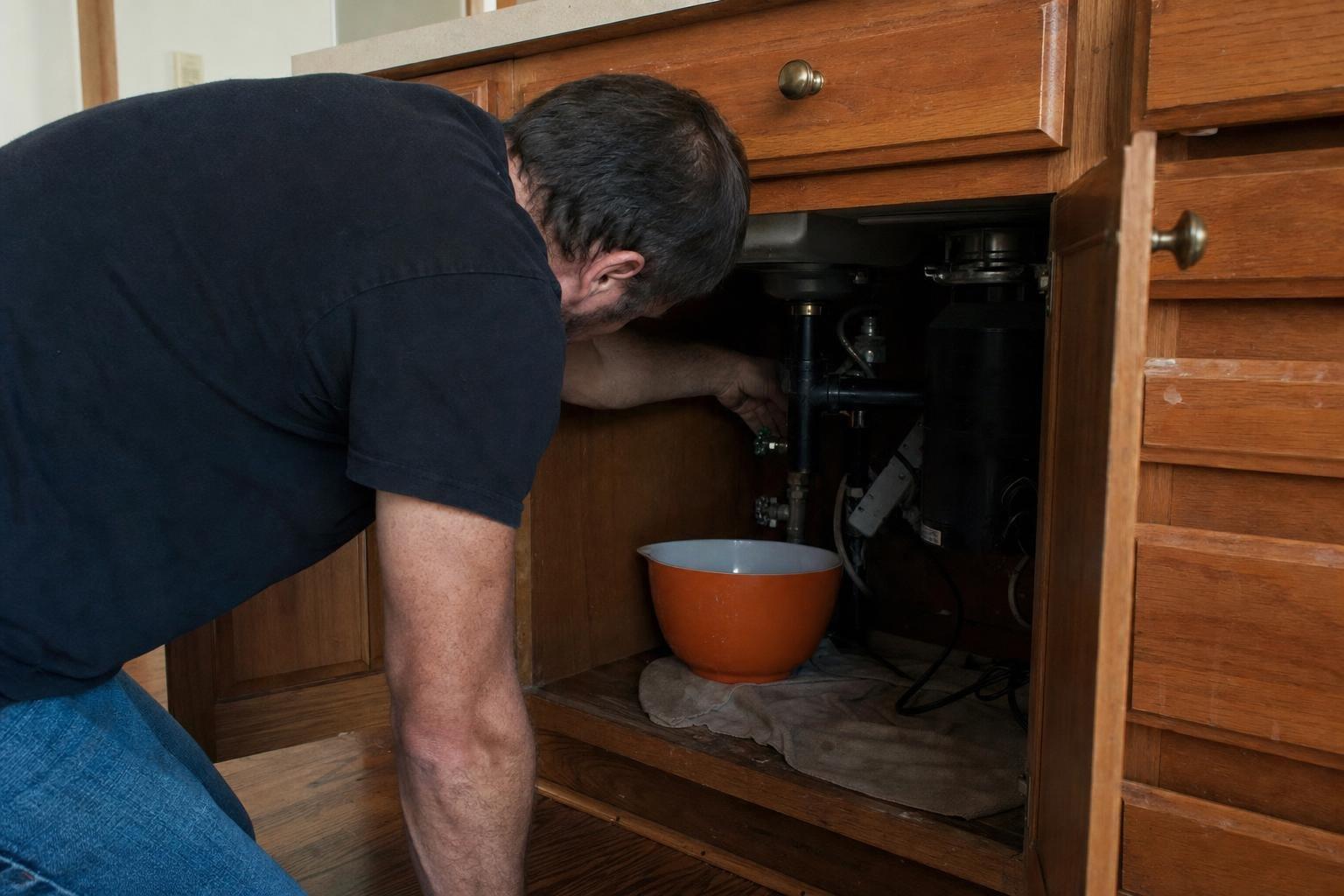
Your home has two main shutoff valves. Both can be left partially closed after a repair. Ball valves have a lever handle that must run parallel to the pipe to be fully open. Gate valves have a round handle; turn them fully counterclockwise until they stop. Check both valves before calling anyone. This fix costs nothing and takes two minutes.
2. Mineral Buildup and Scale
Calcium and magnesium carbonate deposits build up inside older copper and galvanized pipes over 10 to 20 years. A 3/4-inch pipe can perform like a 1/2-inch pipe once scale coats the interior walls. If your home is older and the pressure drop affects every fixture, mineral buildup is a likely cause.
3. Corroded or Aging Galvanized Steel Pipes
Homes built before 1980 across southern Dallas County often still carry original galvanized steel supply lines. These pipes corrode from the inside out. The clearest sign is reddish-brown discoloration in your water alongside low flow. Replacement is the only lasting fix.
4. Failing or Misadjusted Pressure Reducing Valve
A pressure reducing valve sits where the main water line enters your home. These valves last 10 to 15 years on average. A failing valve can drop house pressure to 20 to 30 PSI with no visible external sign. Parts run $50 to $150. Labor runs $150 to $300 depending on access. This is a pro repair.
5. Hidden Water Leaks
Blackland Prairie clay soil runs through this area of Dallas County. That soil expands when wet and contracts when dry. The seasonal movement stresses pipe joints and bends, especially under slabs. Slab leaks are more common here than in cities built on sandy or rocky soil. Signs of a hidden leak include unexplained spikes in your water bill, warm or wet spots on the floor, and the sound of running water with all fixtures off.
6. Clogged Aerators and Showerheads
If the pressure problem is isolated to a single faucet or showerhead, skip the plumber for now. Unscrew the aerator from the faucet tip or remove the showerhead. Soak both in white vinegar for 30 minutes. Rinse and reinstall. This fix costs nothing and takes less than an hour.
7. City Main or Meter Issues
Sometimes the pressure problem starts outside your property line. A break on a distribution main, a partially closed meter valve, or a failing meter can all reduce pressure at your tap. Call the water utility first if multiple neighbors report the same issue or if the pressure loss started suddenly with no changes inside your home.
8. Water Heater Shutoff or Failing Inlet Valve
Low pressure only in hot water lines points directly to the water heater loop. Before assuming the unit is failing, check the cold water shutoff valve on top of the tank. It is often bumped partially closed during other work. If that valve is fully open and hot water pressure remains weak, the inlet valve or internal sediment buildup may be the cause.
The Duncanville Hard Water Problem
Understanding North Texas Water Hardness
The water flowing through homes in Cedar Hill, DeSoto, and the broader southern DFW corridor typically lands between 150 and 250 mg/L hardness, which is 8 to 14 grains per gallon. Limescale coats showerhead internals, water heater elements, and pipe walls over time. A water heater in a hard-water home can lose around 24 percent of its heating efficiency within five years from scale alone.
How a Whole-Home Water Filtration System Prevents Future Pressure Loss
Point-of-use filters only protect one fixture. A whole-home water filtration system installed at the main line entry point treats every drop of water before it reaches anything in the house. Salt-based softeners use ion exchange to stop scale formation completely and cost $800 to $2,500 installed. Salt-free conditioners restructure minerals so they pass through without sticking to pipe walls and cost $500 to $1,800 installed. If you have tested your pressure and still cannot get above 40 PSI, call Dwello Home Services at (972) 776-4663.
Frequently Asked Questions
Can Low Water Pressure Damage My Appliances Over Time?
Yes, persistently low pressure can strain appliances like washing machines and dishwashers because their inlet valves are designed to operate within a normal pressure range.
Is Low Water Pressure Covered by Homeowners Insurance?
Coverage depends on the root cause. If low pressure results from a sudden, accidental pipe burst or hidden leak that caused structural damage, your policy may cover related repairs. Gradual issues like mineral buildup or corroded pipes are typically classified as maintenance problems and are not covered.
How Long Does a Pressure Reducing Valve Replacement Usually Take?
A straightforward replacement typically takes a licensed plumber one to two hours to complete. Dwello Home Services carries common valve sizes on service vehicles, which often allows same-day completion.
Will a Water Softener Alone Fix My Low Pressure Problem?
A water softener reduces incoming mineral content and helps prevent future scale buildup, but it will not restore pressure that has already been lost due to existing deposits inside pipes or fixtures.
Should I Be Concerned If Only My Hot Water Has Low Pressure?
Pressure loss limited to hot water almost always points to something within your water heater system. This is usually faster to diagnose than whole-home pressure loss.
How Often Should I Have My Home Water Pressure Professionally Checked?
Most plumbing professionals suggest a pressure check every two to three years as part of routine home maintenance. In Duncanville specifically, the hard water conditions accelerate scale formation, so annual checks may be worthwhile for homes with older pipes.
Can I Increase My Home Water Pressure Beyond What the City Supplies?
Yes, a booster pump can raise pressure inside your home above the level delivered at the meter. However, boosting pressure above 80 PSI can stress fixtures, joints, and appliances, so a properly sized pressure reducing valve must be installed alongside any booster system.
Ready to Get Started with Dwello Home Services?
Call (972) 776-4663 to speak with our team directly. We are ready to answer your questions, walk you through your options, and help you find the right solution for your needs. Reach out today.