
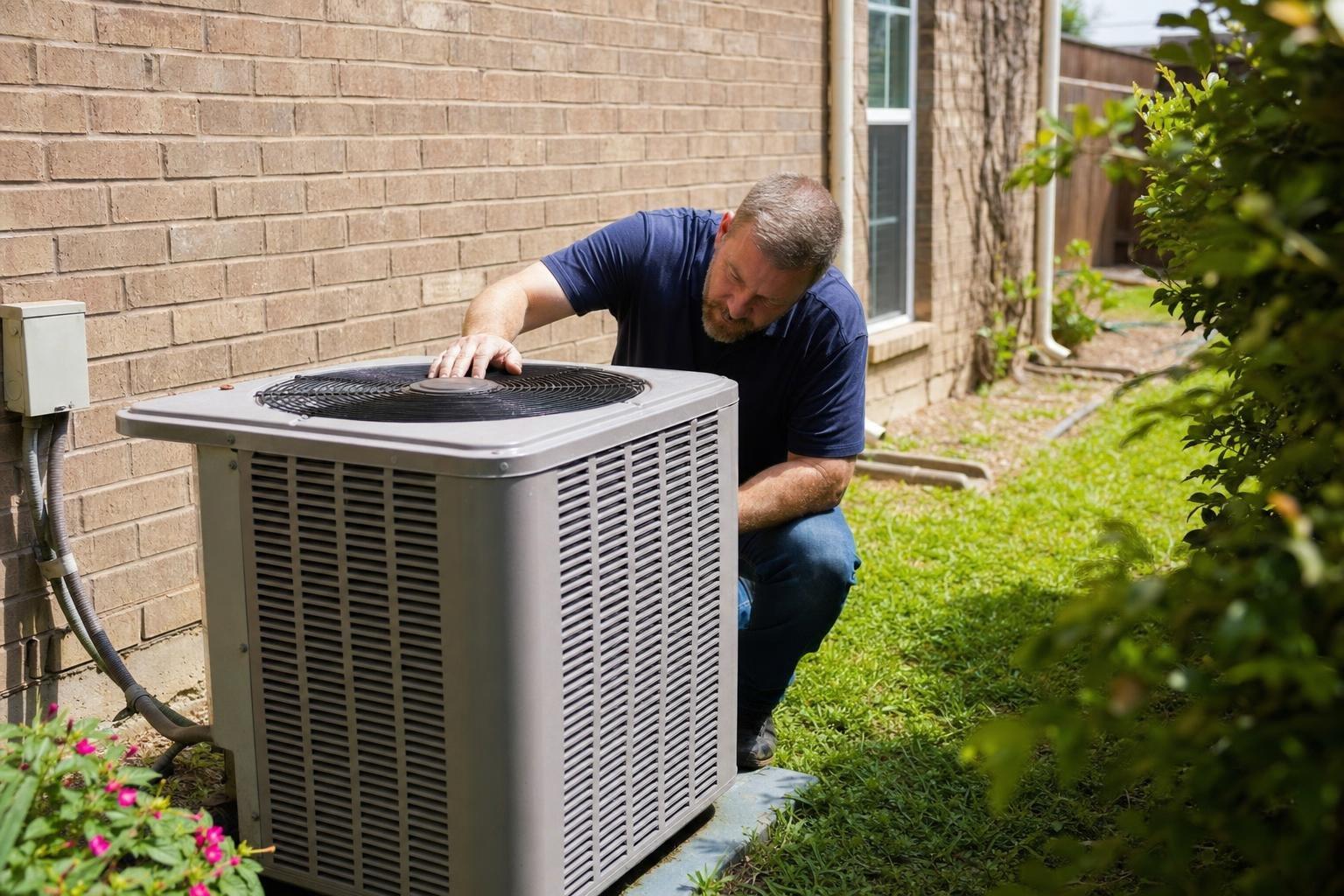
Most Duncanville homeowners trying to lower their electric bill think about switching providers. That can help, but it rarely solves the real problem. The bigger issue is how much energy your home is actually burning through every month. At Dwello Home Services, we fix that from the inside out. We tune up HVAC systems, seal air leaks, upgrade insulation, and handle the electrical work that keeps your home running efficiently.
Ready to stop overpaying on energy? Call us at (972) 776-4663.
Key Takeaways
- Switching providers helps, but reducing kWh usage is the most reliable way to lower your electric bill.
- HVAC inefficiency, poor insulation, and air leaks are the top causes of high energy bills in Duncanville homes.
- Small upgrades like smart thermostats and duct sealing can cut monthly energy costs significantly.
- Unplugging idle appliances and reading your bill carefully can reveal hidden energy waste right away.
- A professional home energy check finds savings that no provider switch can match.
Why Duncanville Electric Bills Spike Every Summer
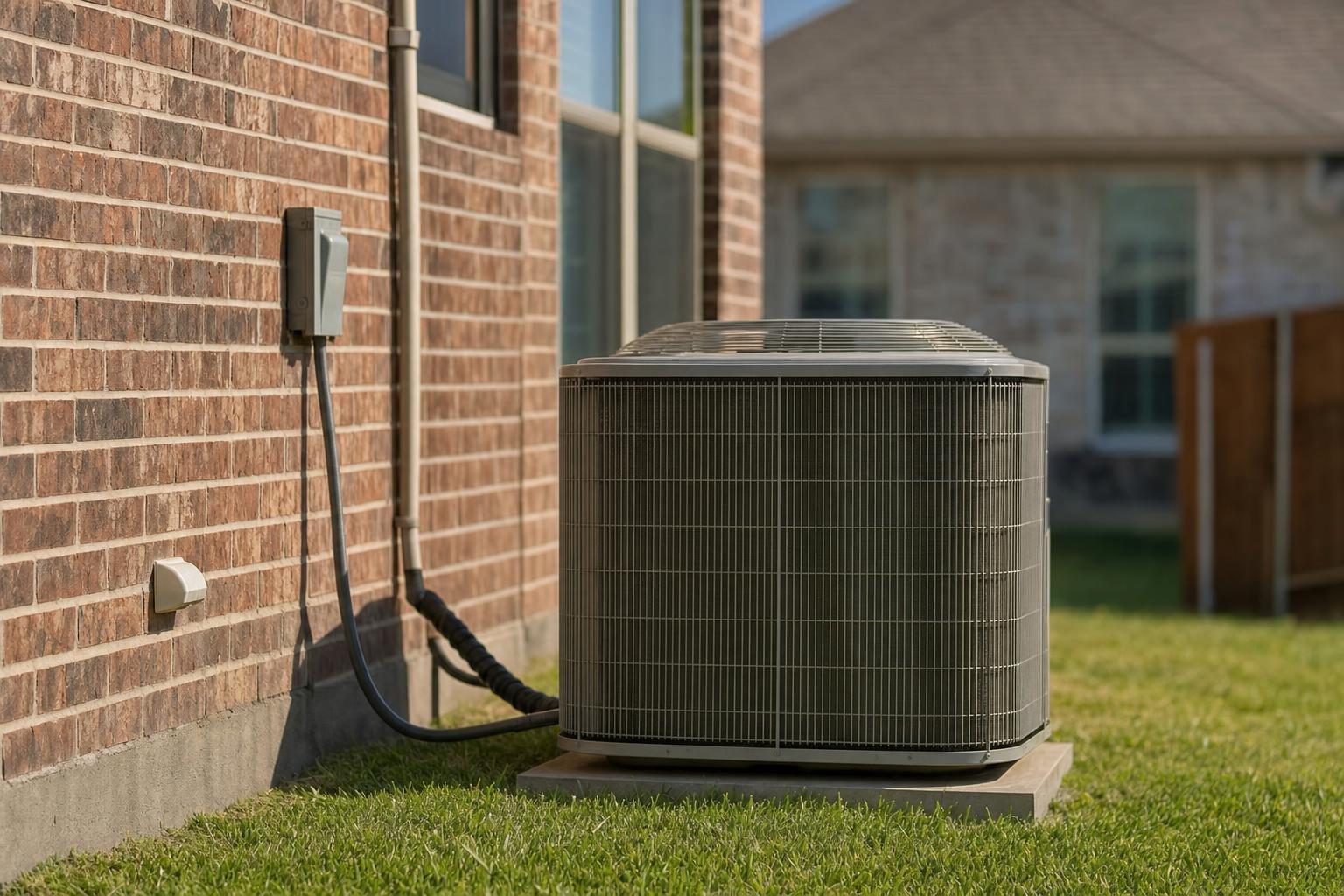
If your electricity bill jumped hard between June and September, you are not imagining it. North Texas summers push temperatures into triple digits for weeks at a time, and cooling costs account for 40 to 50 percent of annual electricity use in homes served by Oncor Electric Delivery. The real savings are inside the house, not in a rate comparison tool.
Why Duncanville Electric Bills Run Higher Than You Might Expect
North Texas Climate and Your Cooling Load
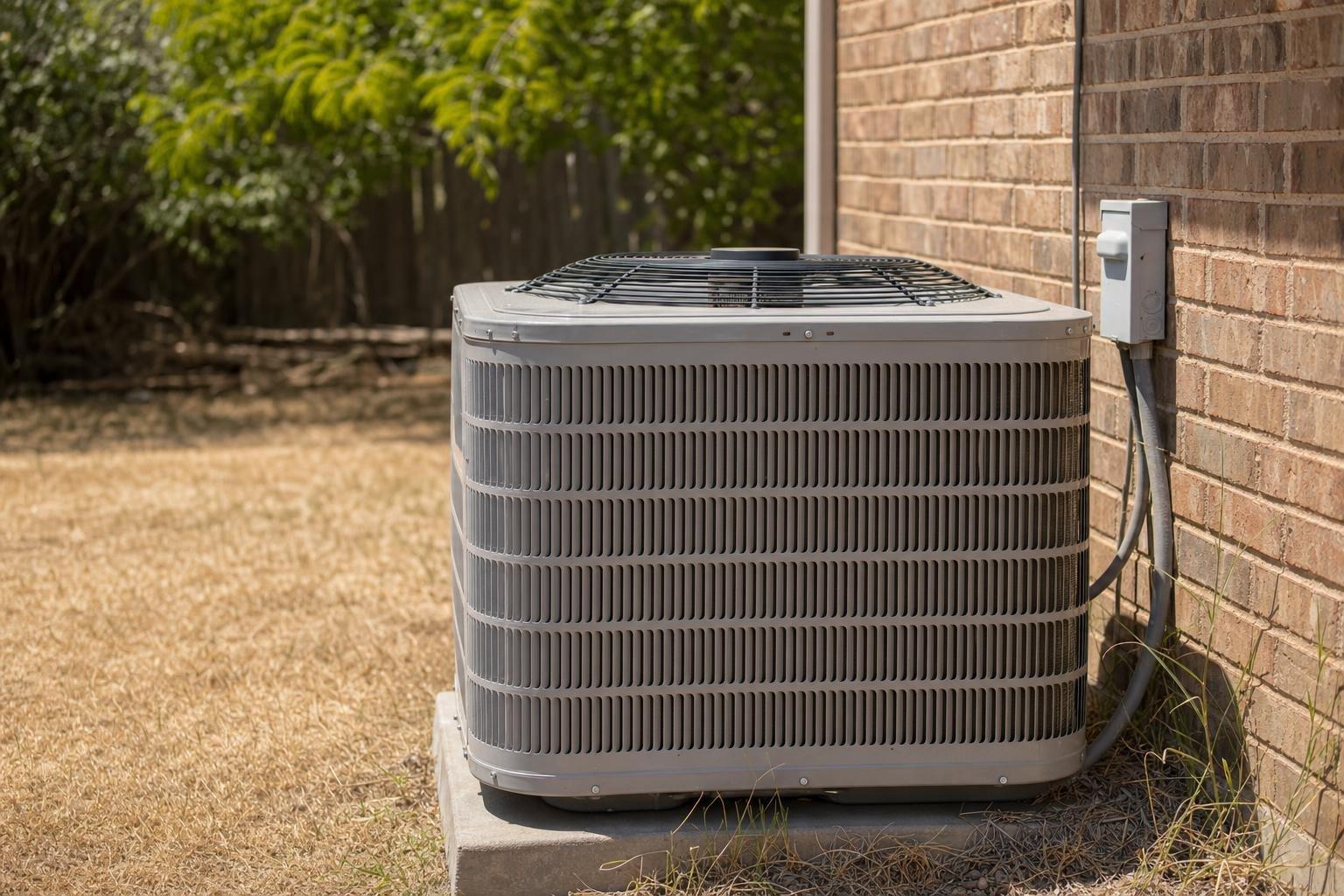
The Dallas-Fort Worth area sits in a humid subtropical climate zone. Zip codes 75116 and 75137 fall inside Oncor Electric Delivery’s service area. Our area regularly sees 30 or more days above 100 degrees F each summer, forcing HVAC systems into extended run cycles, sometimes 10 to 14 hours straight. Every additional hour of runtime goes directly onto your energy bill.
Older Housing Stock and Hidden Inefficiencies
If your home was built before 2000, your electricity bill is almost certainly higher than it needs to be. Builders in the 1980s and 1990s installed R-19 attic insulation, which met code then. The current Energy Star recommendation for Dallas County is R-38 to R-60. An under-insulated attic can hit 140 to 160 degrees F on a summer afternoon and push that heat directly into your living space.
Tips 1 Through 4: Low-Cost and No-Cost Habits That Cut Bills Immediately
Tip 1: Adjust Your Thermostat Schedule the Texas Way
The Department of Energy recommends 78 degrees F when you are home and 85 degrees F when the house is empty during Texas summers. A smart thermostat like an Ecobee, Nest, or Honeywell T6 Pro can save 8 to 10 percent on cooling costs by automating that shift. Set your away mode to trigger 30 minutes before you leave, not when you walk out the door.
Tip 2: Unplug Phantom Loads Before They Drain Your Wallet
Phantom loads are the electricity your devices draw while doing nothing. TVs, game consoles, cable boxes, and phone chargers all pull power in standby mode. According to the Lawrence Berkeley National Laboratory, these silent draws account for roughly 5 to 10 percent of home electricity use. Plug your entertainment center and home office gear into smart power strips.
Tip 3: Run Major Appliances During Off-Peak Hours
Oncor customers on time-of-use rate plans pay a higher rate per kWh between 3 PM and 9 PM on weekdays during summer. Running your dishwasher, washing machine, or electric dryer after 9 PM can cut real costs on eligible plans. Log in to your retail electric provider portal and check whether you are on a time-of-use plan.
Tip 4: Seal Air Leaks Around Doors, Windows, and Attic Hatches
A typical 1980s or 1990s tract home can have the equivalent of a 2 square foot hole in its envelope once you add up all the gaps. V-seal weatherstripping, silicone caulk for exterior gaps, and an insulated attic hatch cover cost under $50 total at any hardware store. Run your hand along door frames and attic hatches on a hot afternoon. Feel warm air? Seal it this weekend.
Want a pro to check what is costing you most? Call us at (972) 776-4663.
Tips 5 Through 7: HVAC Upgrades That Pay for Themselves
Tip 5: Clean Your Ductwork to Stop Wasting Conditioned Air
ENERGY STAR estimates the average home loses 20 to 30 percent of conditioned air through leaky, dirty, or poorly connected ducts. Homes in Cedar Hill and Midlothian with original 1990s flex ducts are especially prone to collapsed sections and disconnected joints. Signs your ducts are costing you money include rooms that never cool down, high dust levels near registers, and a system that runs almost constantly on a 95-degree afternoon.
Tip 6: Add or Upgrade Attic Insulation to Modern Texas Standards
NAIMA and ENERGY STAR recommend R-38 minimum for Dallas County, with R-49 to R-60 being optimal. Most older homes in this area were built with R-11 or R-19 batts. Proper insulation can reduce cooling costs 15 to 25 percent. For Texas attics, blown-in fiberglass or loose-fill cellulose are the standard retrofit choices.
Tip 7: Replace an Aging AC System With a High-Efficiency Unit
The 2026 SEER2 minimum for split systems in Texas is 15.2 SEER2. Modern 18 to 20 SEER2 variable-speed systems can cut cooling energy use 30 to 50 percent versus an older 10-SEER unit. The Inflation Reduction Act also offers a 30 percent federal tax credit, up to $600, for qualifying high-efficiency HVAC equipment through 2032.
Tips 8 Through 10: Electrical and Professional Upgrades
Tip 8: Upgrade to LED Lighting and Smart Switches Throughout Your Home
LED bulbs use 75 to 80 percent less energy than old incandescent bulbs. A home with 30 fixtures can save $150 to $250 per year just from switching bulbs. LEDs also last 15,000 to 25,000 hours compared to incandescents at around 1,000 hours. Smart dimmer switches from Lutron Caseta or Leviton Decora let you schedule lighting and cut it when rooms are empty.
Tip 9: Replace an Outdated Electrical Panel to Support Modern Efficient Appliances
Homes built before 1990 sometimes still have Federal Pacific Stab-Lok or Zinsco panels. The breakers in these panels are known to fail to trip reliably under overload. A 200-amp panel upgrade opens the door to smart energy monitors like Emporia Vue or Sense, which show you exactly which appliances are driving your bill each month.
Tip 10: Get a Professional Home Energy Assessment
A professional home energy assessment identifies the specific places your home is losing conditioned air, where insulation is failing, and which equipment is running inefficiently. Dwello Home Services serves homeowners across Dallas County and beyond, from Midlothian and Mansfield to Flower Mound and McKinney. Call our team at (972) 776-4663 to schedule a home energy assessment.
Frequently Asked Questions
How Long Does It Take to See a Lower Electric Bill After Making Efficiency Upgrades?
Most homeowners notice a difference on the very first billing cycle after making behavioral changes. Larger upgrades such as attic insulation or a new AC unit typically show their full savings impact within one to three billing cycles.
Will a Smart Thermostat Actually Save Money if My AC System Is Already Old?
A smart thermostat can still reduce runtime and trim your bill even on an older system, but the savings are limited by how efficiently the equipment itself operates.
Is Attic Insulation a Good Investment in Duncanville Specifically?
Yes, attic insulation is one of the highest-return upgrades available in North Texas because of the extreme radiant heat that builds up in attic spaces throughout the summer. Homes that reach the recommended R-38 to R-60 level commonly see cooling costs drop by 15 to 25 percent.
Can I Qualify for Rebates or Tax Credits When Upgrading My HVAC or Electrical System?
Federal tax credits under the Inflation Reduction Act currently cover up to 30 percent of the cost of qualifying high-efficiency HVAC equipment, insulation, and certain electrical panel upgrades. Oncor also offers rebate programs for qualifying HVAC replacements and smart thermostats.
How Often Should My AC System Be Serviced to Keep Energy Costs Low?
Most HVAC manufacturers recommend professional maintenance at least once per year, ideally in the spring before peak cooling demand hits.
Does an Electrical Panel Upgrade Actually Affect Monthly Energy Use?
An outdated panel does not directly waste electricity the way a leaky duct does, but it can prevent you from running modern high-efficiency appliances, EV chargers, or heat pump systems that require dedicated circuits and adequate amperage.
What Is the Biggest Mistake Duncanville Homeowners Make When Trying to Lower Their Electric Bill?
The most common mistake is focusing only on appliance habits while ignoring the building envelope, meaning the insulation, ductwork, and air sealing that determine how hard your HVAC system has to work in the first place.
Ready to Get Started with Dwello Home Services?
Call (972) 776-4663 to speak with our team directly. We are ready to answer your questions, walk you through your options, and help you find the right solution for your needs. Reach out today.