
AC Warning Signs: When to Call a Pro Right Away
Last Updated: November 20, 2026
Quick Summary
Turn the system off and call a professional right away if your ac unit shows burning smells, sparks, water pooling, thick ice, sudden loud banging, or a breaker that trips again after reset. These signs can cause fire, electrical shock, refrigerant exposure, or serious water damage, so they should not wait for a routine visit.
- Turn off the system at the thermostat, and at the disconnect or breaker if it is safe to do so.
- Do not reset a breaker that trips a second time; that signals an electrical fault.
- Warm air from vents with the thermostat set to cool needs a same or next-day appointment.
- Replace a dirty filter first, since a clogged filter can freeze the indoor coil.
- Leave refrigerant handling and electrical work to a licensed technician.
Table of Contents
- Why Some AC Problems Can’t Wait
- Urgency Levels: Which Signs Need a Technician Now
- AC Blowing Warm Air: Likely Causes and What to Do
- Air Conditioner Making Strange Noises: What Each Sound Can Mean
- Water Leaks, Ice, and Odors: Signs That Point to Serious Damage
- When to Turn Off Your AC Unit to Prevent Further Damage
- Safe Homeowner Checks vs. Work Only a Technician Should Do
- Booking Your Dwello Service Call for Fast Diagnosis
- Frequently Asked Questions
Why Some AC Problems Can’t Wait
A mild drop in cooling on a hot afternoon from your ac unit is usually not an emergency. A problem that gets worse each day often is. Warning signs that involve water, ice, burning smells or electrical symptoms can cause damage to the unit, to the home, or to people, so they should not wait for the next scheduled visit.
Waiting also tends to cost more. A failing part that runs hot or runs under strain can take other components down with it, turning a repair into a replacement. U.S. Department of Energy guidance on home cooling system maintenance
Urgency Levels: Which Signs Need a Technician Now
Not every AC problem is an emergency, but the ones that are can escalate quickly. Use this three-tier framework to decide how fast to act. When in doubt, treat the symptom as the higher tier until a technician confirms otherwise.
Tier 1, Turn the system off and call immediately. These signs can cause fire, electrical shock, refrigerant exposure, or serious water damage. Shut the unit down at the thermostat and, if you can do so safely, at the disconnect switch near the outdoor unit or the breaker panel. Then call for service.
- Burning or acrid smells, smoke, or sparks from the unit or vents
- Water pooling around the indoor air handler or ceiling stains that appear during operation
- Thick ice on the outdoor unit or refrigerant lines
- Loud banging, grinding, or squealing that starts suddenly
- A breaker that trips again after you reset it once
- A chemical smell that could indicate a refrigerant leak
Tier 2, Call today for a same-day or next-day appointment. The system still runs, but it is not working correctly and continued operation may shorten component life.
- Warm air from the vents with the thermostat set to cool
- Weak airflow from most vents
- Frequent cycling (short on-off bursts)
- Indoor humidity that stays high even when the AC runs
- A musty odor that persists after the system has run for several minutes
Tier 3, Monitor and schedule a routine visit if it continues. These are lower-urgency signals that still deserve attention.
- A slightly higher energy bill without a change in usage
- A faint new noise that comes and goes
- A single musty smell after a long shutdown
- Uneven temperatures between rooms
Symptoms left unaddressed can escalate. A failing capacitor, for example, can cause the compressor to draw high current and trip the breaker, turning a modest repair into a larger one. If you are unsure which tier applies, err on the side of caution and describe the symptom to the dispatcher when you call.
The article sorts AC warning signs into three tiers, so you can tell how fast to act.
| Tier | Action | Example signs |
|---|---|---|
| Tier 1 | Turn system off and call immediately | Burning smell, water pooling, thick ice |
| Tier 2 | Call today for same or next-day visit | Warm air from vents, weak airflow |
| Tier 3 | Monitor and schedule routine visit | Slightly higher bill, faint intermittent noise |
AC Blowing Warm Air: Likely Causes and What to Do
Warm air from the vents is the most common complaint. The cause is often simple, such as a thermostat set to the wrong mode or a dirty air filter. Check those first. A filter clogged with dust restricts airflow and can cause the coil to freeze, so replace it if it looks gray and loaded.
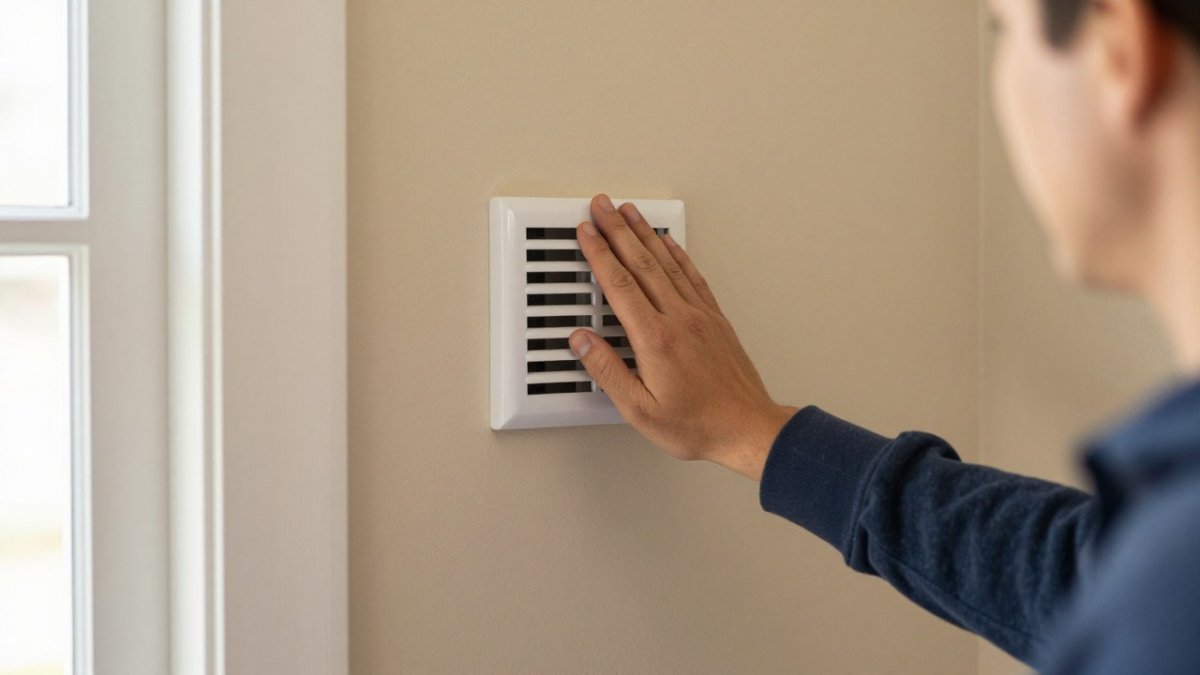
If the filter is clean and the thermostat is set to cool, the problem is more likely low refrigerant, a failed compressor, or a fan that is not moving air across the coil. Restore comfort with a licensed AC repair contractor in Denton, TX, if these symptoms persist. Those require a technician with the right gauges and training. Running the system in that state can damage the compressor, which is one of the most expensive parts to replace.
Air Conditioner Making Strange Noises: What Each Sound Can Mean
Sound is one of the most useful early warnings an AC gives. Each noise points to a different area:
- Banging or clanking: a loose panel, a fan blade hitting debris, or a part that has come off its mount.
- Grinding or squealing: a worn motor bearing or a fan motor that is failing.
- Buzzing or humming: an electrical component, such as a contactor, struggling to engage.
- Hissing: a possible refrigerant leak, which needs professional repair.
- Clicking that repeats without the unit starting: an electrical fault that should be checked before the system is run again.
Do not open the electrical panel or the outdoor unit’s control area to investigate. Note which noise you heard, when it happens, and whether it occurs during startup or while running. That detail helps the technician.
Water Leaks, Ice, and Odors: Signs That Point to Serious Damage
Water around the indoor air handler or the condensate line can mean a clogged drain, which can lead to water damage to ceilings and flooring. Professional air duct cleaning can also help if odors are coming from the vents. Turn the system off and call promptly. Persistent moisture can also promote mold growth (the EPA).
Ice on the refrigerant lines or the evaporator coil usually means airflow is restricted or the refrigerant charge is off. Shut the system off and let the ice melt before calling for service. Running it while iced can damage the compressor.
Odors matter too. A musty smell often comes from a dirty coil or drain pan. A burning smell is a reason to turn the unit off immediately, because it can signal an overheating electrical component. A chemical smell can point to a refrigerant leak, which should be handled by a licensed technician.
When to Turn Off Your AC Unit to Prevent Further Damage
Turn the system off at the thermostat and, if there is any burning smell, sparking, or water flooding, at the disconnect switch near the outdoor unit or the breaker panel. Shut it down if you see:
- Burning or electrical smells
- Water pooling around the indoor unit
- Thick ice on the coil or lines
- Loud grinding, banging, or squealing
- A breaker that trips again after reset
Leave it off until a technician has inspected it. Repeatedly restarting a damaged system is one of the most common ways a repair becomes a replacement.
Safe Homeowner Checks vs. Work Only a Technician Should Do
Before you call, a few simple checks can rule out the most common non-emergency causes and save you a service fee. These are safe for any homeowner:
- Replace or clean the air filter. A filter clogged with dust restricts airflow and can freeze the indoor coil.
- Confirm the thermostat is set to cool and to a temperature below the current room temperature. Check that the fan is set to auto, not off.
- Make sure supply and return vents are open and not blocked by furniture, rugs, or curtains.
- Clear leaves, grass clippings, and debris from around the outdoor unit, keeping about two feet of clearance on all sides.
- Check that the condensate drain line is not visibly clogged or disconnected.
- Verify that the outdoor unit’s disconnect switch is in the on position and that the breaker has not tripped.
Watch out: if a breaker trips again after you reset it once, do not reset it a second time. Repeated tripping points to an electrical fault that needs professional diagnosis.
Other work belongs to a licensed technician. Do not open the electrical compartment, handle refrigerant, test capacitors or compressors, repair ductwork, or service any gas-fired heating components. Refrigerant handling is regulated under federal rules, and an unlicensed attempt can damage the system, void warranties, and harm the environment. EPA Section 608 refrigerant technician certification requirements
What a technician will typically inspect. Knowing what to expect helps you describe the problem and ask better questions. A diagnostic visit usually includes:
- Measuring the temperature difference between supply and return air
- Checking refrigerant charge and pressures with gauges
- Testing the capacitor, contactor, and compressor windings
- Inspecting the evaporator and condenser coils for dirt and damage
- Checking the condensate drain and float switch
- Verifying thermostat calibration and wiring
- Inspecting ductwork for leaks, disconnections, or crushed sections
- Confirming that the outdoor fan and blower motor are drawing normal current
How to prepare for the visit. Write down the symptom, when it started, and whether it happens at startup or during operation. Note whether you have already turned the system off. Clear details let the technician bring the right parts and reach a faster diagnosis. If the system is older, have the model and serial number handy; that information helps the technician assess repair-versus-replacement options on the spot.
Booking Your Dwello Service Call for Fast Diagnosis
When you call, describe the symptom, when it started, and whether the system is still running. Tell the dispatcher if you have already turned it off. Clear details let a technician prepare the right tools and reach a faster diagnosis.
Dwello Home Services offers AC repair, air conditioning replacement, and furnace and HVAC maintenance for homes in the Dallas-Fort Worth area, with 24/7 emergency availability. Contact Dwello Home Services to schedule a visit. For ongoing service and inspection options, visit our AC repair page or contact Dwello Home Services to book a diagnostic appointment.
Dwello Home Services has a clear next step for you. Describe your symptom, and we will tell you whether it can wait or needs a technician today.
Frequently Asked Questions
How do I know if my AC needs servicing?
Schedule service if the system runs longer than usual to reach your set temperature, cycles on and off frequently, shows rising energy bills without a change in use, or has weak airflow from the vents. Routine tune-ups before the cooling season can catch small issues, such as dirty filters or low refrigerant, before they become emergency repairs. If you notice any warning sign described in this guide, a professional inspection is a better choice than waiting for the system to fail completely.
Why is my air conditioner blowing warm air?
Warm air from an AC often points to a refrigerant problem, a frozen evaporator coil, a failed capacitor or compressor, or a thermostat set incorrectly. Start by confirming the thermostat is set to cool and the temperature is below the room temperature, and check that the air filter is not clogged. If the air stays warm after those checks, or the outdoor unit is not running, call an HVAC technician. A professional can measure refrigerant pressure and electrical components safely.
Is it safe to run an AC unit that is leaking water?
Turn the system off if you see water pooling around the indoor air handler or a leak from the condensate drain. Running a unit that is leaking can cause water damage, promote mold growth, and strain components. Check whether the condensate drain line or pan is clogged and clear it only if you can reach it safely. If water keeps appearing after you shut the unit off, contact a professional for a same-day inspection.
When should I turn off my AC and call a professional?
Turn the unit off right away if you notice a burning smell, grinding or banging noises, ice on the refrigerant lines or indoor coil, or water pooling near the air handler. These signs can indicate electrical or mechanical damage that worsens with continued operation. Once the system is off, call a licensed HVAC technician for diagnosis. Avoid repeatedly resetting the system, because restarting a damaged unit can make the repair more expensive.