
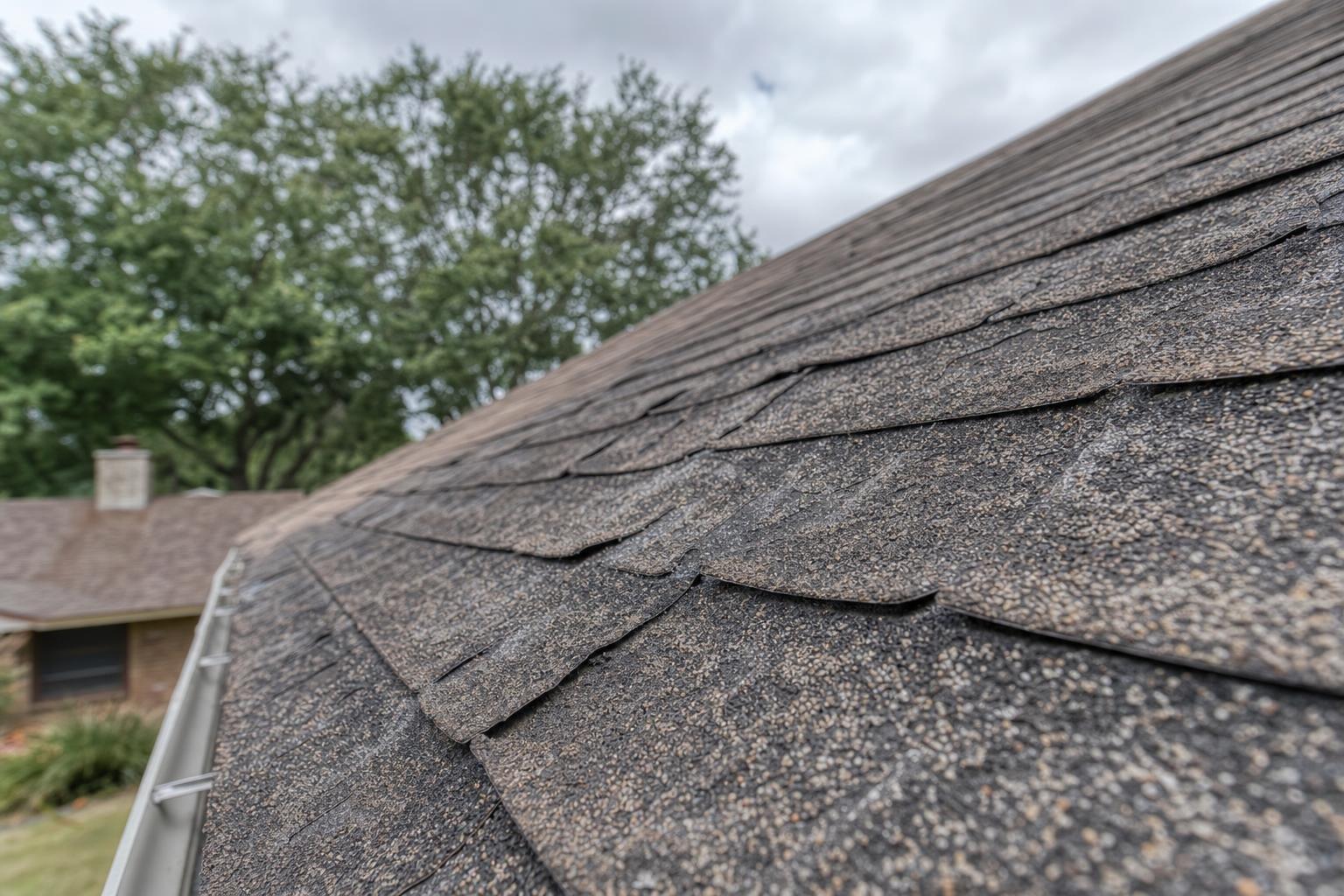
Most roofs in Duncanville last anywhere from 15 to 50 years, depending on the roofing material and how well North Texas weather treats them. Hail storms, brutal summer heat, and high humidity hit roofs hard here, and they shorten lifespans faster than national averages suggest. Our team at Dwello Home Services inspects and replaces roofs across Duncanville every week, so we know exactly what to look for and when it is time to act.
Not sure how much life your roof has left? Call us at (972) 776-4663 and we will take a look.
Key Takeaways
- How long a roof lasts depends heavily on material, with asphalt shingles averaging 20 to 30 years in Duncanville.
- DFW hail storms and extreme summer heat can cut years off your roof’s expected lifespan.
- Metal roofs last significantly longer than asphalt, often 40 to 70 years with proper maintenance.
- Visible signs like curling shingles, granule loss, or interior leaks mean your roof needs attention now.
- Regular inspections after major storms can catch damage early and save you from a full replacement.
How Long Does a Roof Last in North Texas? Not as Long as You’d Think
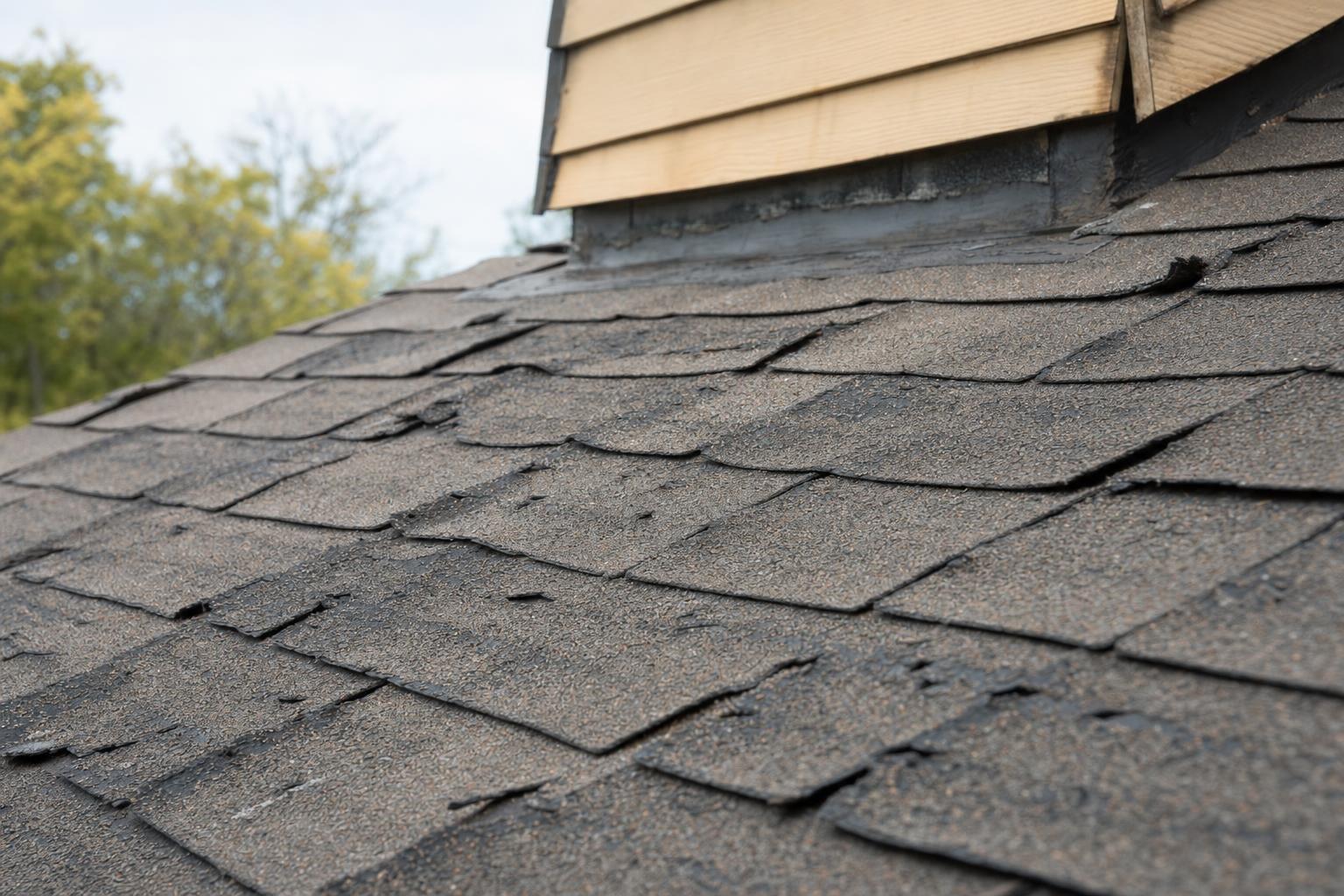
The national average for a 3-tab asphalt shingle roof is 20 to 25 years. But if your home is in the DFW area, that number shrinks fast. Realistically, most asphalt roofs here last 15 to 20 years. Three things beat up roofs here faster than anywhere else: hailstorms, July roof surface temperatures on dark asphalt regularly exceeding 160 degrees F, and UV levels that rival coastal zones.
Roof Lifespan by Material: What the Numbers Actually Mean
3-Tab Asphalt Shingles
The national average for 3-tab asphalt shingles is 15 to 20 years. In North Texas, plan on the lower end: 15 to 18 years. The granule layer is thinner on 3-tab shingles than on architectural products. Once UV exposure burns off those granules, the mat underneath degrades fast. Hail accelerates that process significantly.
Architectural (Dimensional) Shingles
Architectural shingles last 25 to 30 years nationally. In North Texas, a realistic range is 22 to 28 years. The laminated construction adds real resistance to wind uplift, which matters during spring straight-line wind events that come through the DFW corridor every year.
Metal Roofing
How long does a metal roof last in North Texas? Forty to seventy years, and that range holds even with our heat. Metal handles UV far better than asphalt because there are no granules to lose. Class 4 impact resistance on metal roofing also qualifies homeowners for insurance discounts through the Texas Department of Insurance.
Tile and Flat/TPO Roofing
Clay and concrete tile can last 50 years or more. The tile itself is not usually the problem. The underlayment beneath it typically needs replacement at the 20 to 25 year mark. Ignoring that leads to water intrusion even when the tile looks fine from the street. TPO and other flat roofing systems expect 15 to 25 years depending on seam quality and how well ponding water is managed.
How Duncanville’s Climate Cuts Years Off Your Roof’s Lifespan
Hail: The Biggest Threat in Dallas County
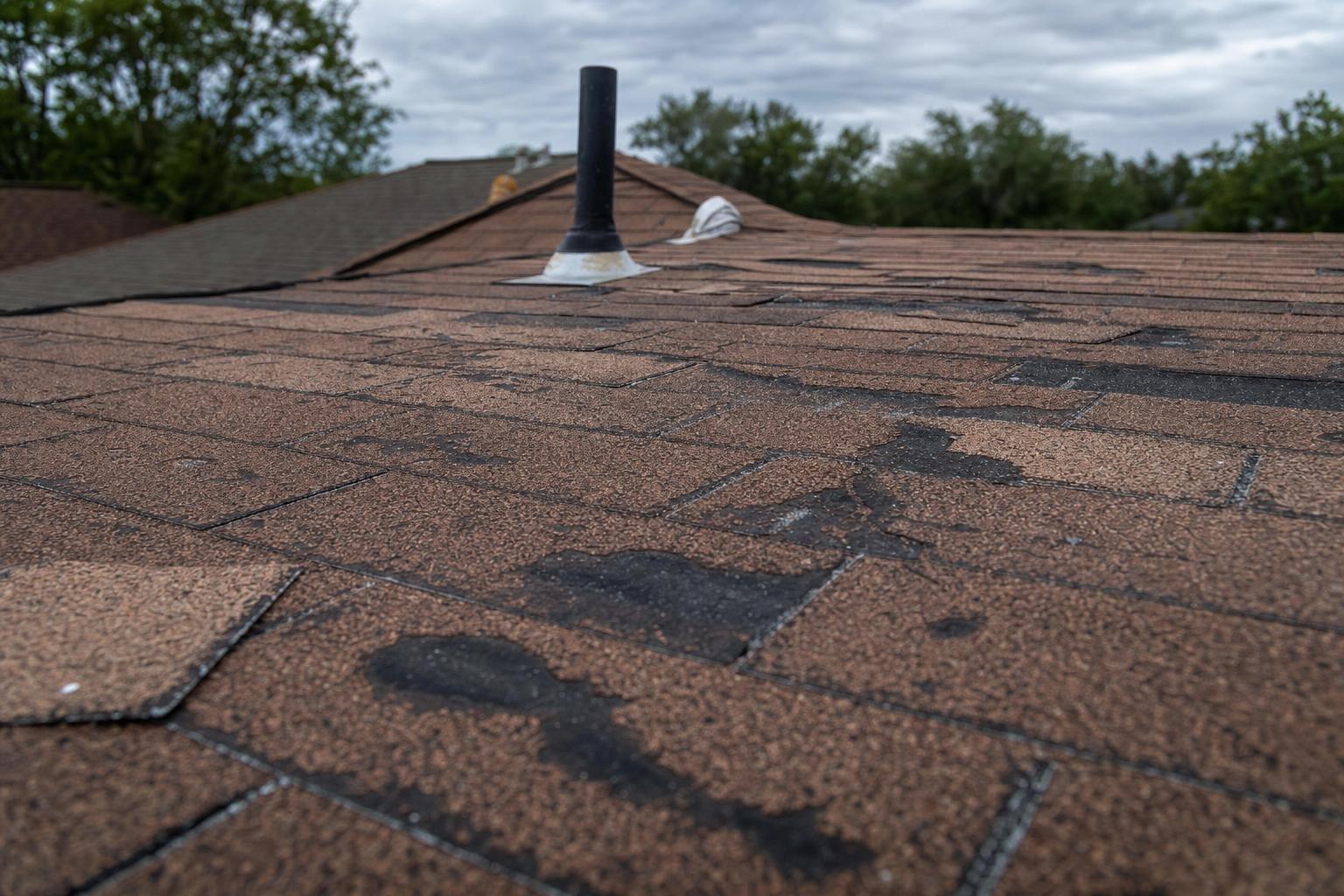
This area sits squarely inside what meteorologists call the Hail Alley corridor. We average three to five significant hail events per year. A single storm dropping 1.5-inch hailstones can bruise and crack asphalt granules across your entire roof surface. Those granules protect the asphalt binder underneath from UV exposure. Once knocked loose, you have moisture entry points that can age your roof by three to five years overnight.
Heat and UV Degradation
We get more than 234 sunny days per year here. On a 100-degree July afternoon, the surface of a dark asphalt shingle can reach 160 to 170 degrees Fahrenheit. At that temperature, the asphalt binder softens and volatile oils begin to off-gas. Energy Star-certified shingles with a high Solar Reflectance Index rating can reduce surface temperatures by 50 to 80 degrees, meaningfully extending how long a roof lasts in this climate.
Freeze-Thaw Cycles and Winter Storm Damage
We average 25 to 30 freeze days per year in this part of Texas, and the swings are extreme. Temperatures can drop from 70 degrees to 20 degrees within 48 hours. That rapid cycling causes shingles to crack, flashing to separate, and fasteners to loosen. If your roof was in service during the February 2021 winter storm and has never been inspected since, that is a gap worth closing.
5 Signs Your Duncanville Roof Is Nearing the End of Its Life
Granule Loss in Your Gutters
After a rain, check your gutters for dark, sand-like buildup. That is granule loss. A brand new roof sheds a few granules early on. That is normal. Persistent granule loss after year ten is not, and it means the shingles are degrading faster than expected.
Curling, Cupping, or Clawing Shingles
Cupping means the edges of the shingles curl upward. Clawing means the middle lifts while the edges stay flat. Both are signs of a deteriorating shingle mat and create wind-uplift risk during spring storm season.
Daylight or Water Stains in the Attic
Go into your attic on a bright day. Kill the light. If you see sunlight coming through the roof deck, you have cracked or missing shingles. Also look for dark streaks, soft spots in the wood, or water staining on the insulation. These are signs of ongoing moisture intrusion.
Sagging Along the Ridge or Field
Any sag along the ridge line or across the flat field of the roof is a structural issue. Long-term moisture has damaged the decking underneath. Patching shingles on top of a compromised deck is money wasted.
Leaks That Keep Coming Back
A patch that holds is fine. A leak that returns in the same spot within a year, or new leaks appearing near a recently repaired area, is a different story. Over a five-year horizon, a full replacement almost always costs less than continued patching on a worn-out roof.
If your roof is more than 15 years old, or you have been through multiple hail seasons without a professional inspection, now is the right time to get eyes on it. Dwello Home Services serves the Dallas-Fort Worth area, including Mansfield, Midlothian, and Flower Mound. Call us at (972) 776-4663 to schedule a roof inspection.
Frequently Asked Questions
Does Homeowners Insurance Cover Roof Replacement in Duncanville?
Most standard homeowners insurance policies in Texas cover roof damage caused by sudden events like hail, wind, or falling debris, but they typically exclude damage from normal wear and aging. Dwello Home Services can document the damage to support your insurance claim.
How Soon After Buying a Home Should I Get a Roof Inspection?
You should schedule a professional roof inspection within the first 30 days of purchasing a home, even if the general home inspection came back clean. General inspectors often lack the specialized training to spot early-stage shingle deterioration or flashing failures.
Can I Install New Shingles Over My Existing Roof to Save Money?
Texas building codes typically allow one layer of shingles to be installed over an existing layer, but this approach carries real drawbacks. The added weight stresses your decking, trapped moisture between layers accelerates decay, and the new shingles conform to any irregularities in the old surface. Dwello Home Services generally recommends a full tear-off.
How Long Does a Roof Replacement Actually Take to Complete?
Most standard residential roof replacements in Duncanville take one to two days for a typical single-story home. Metal or tile installations can run three to five days due to the added complexity of the fastening systems and flashing work.
Will a New Roof Increase My Home’s Resale Value?
A new roof consistently ranks among the top return-on-investment home improvements in the Dallas-Fort Worth market, with many estimates placing the resale return between 60 and 70 percent of the project cost.
Is It Safe to Stay in My Home During a Roof Replacement?
Yes, it is generally safe. Dwello Home Services crews secure tarps and use magnetic nail sweepers to minimize hazards around the property.
How Often Should I Schedule Routine Roof Maintenance Between Replacements?
Industry standards recommend a professional roof inspection at least once a year, with an additional check after any severe weather event. Routine maintenance like resealing flashing, clearing debris from valleys, and checking boot seals can add years to your roof’s serviceable life.
Ready to Get Started with Dwello Home Services?
Call (972) 776-4663 to speak with our team directly. We are ready to answer your questions, walk you through your options, and help you find the right solution for your needs. Reach out today.