
Your roof takes a beating in Duncanville. Summer heat, hail storms, and heavy rains all add up over the years. Knowing the signs you need a new roof can save you thousands in water damage, mold remediation, and structural repairs. At Dwello Home Services, our local roofing team inspects roofs across the Dallas area every day and we will give you a straight answer about whether you need a repair or a full replacement.
Worried about your roof? Call our Duncanville team at (972) 776-4663 for a roof inspection before small problems become big ones.
Key Takeaways
- Curling, buckling, or missing shingles are among the most common signs you need a new roof.
- Most asphalt shingle roofs last 20 to 30 years, so age alone can be a warning sign.
- Granules in your gutters signal that shingles are breaking down and losing their protective layer.
- Water stains on interior ceilings often point to active roof leaks that require immediate attention.
- A professional inspection can tell you whether a repair will hold or a full replacement is smarter.
9 Signs You Need a New Roof in Duncanville, TX
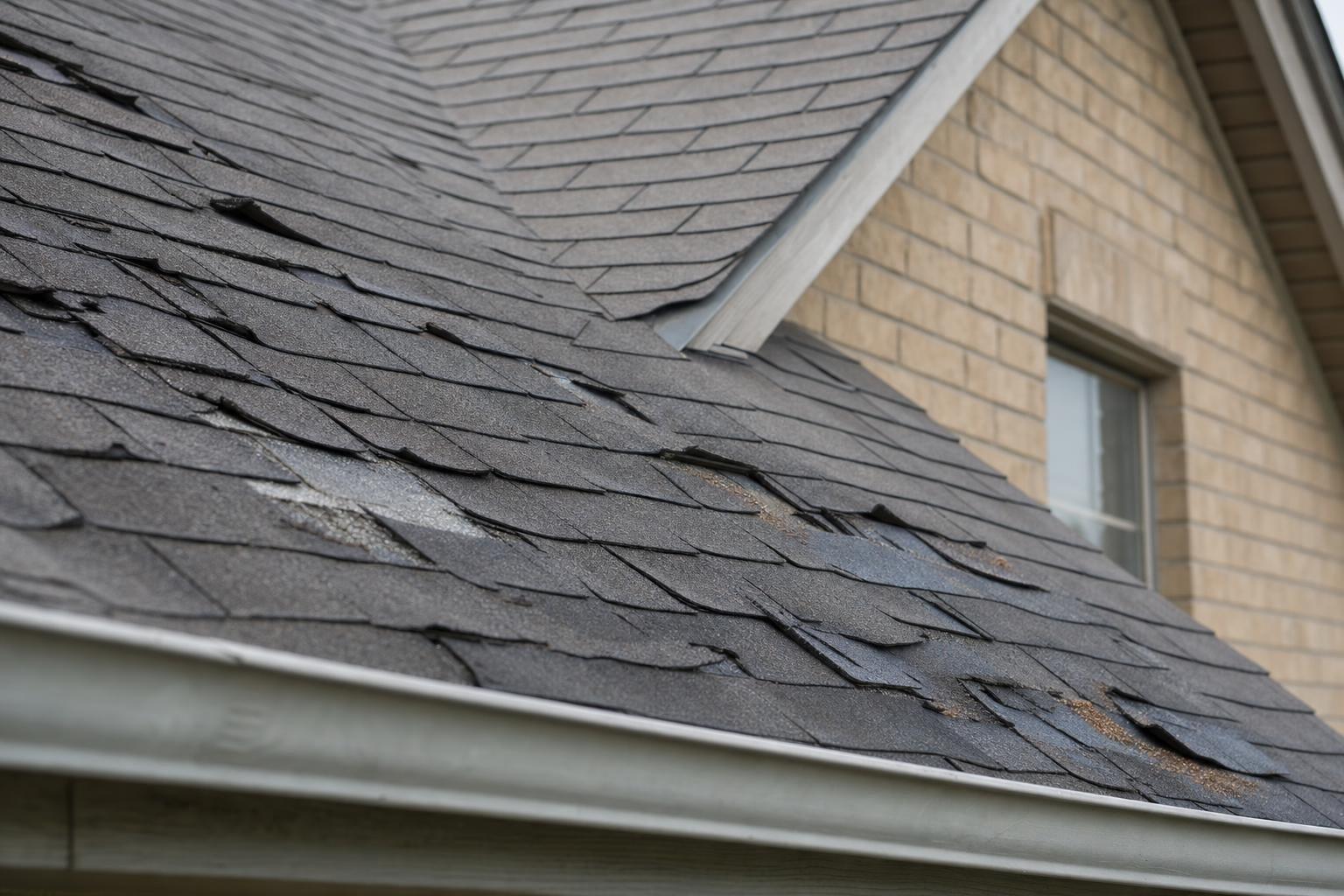
The most common signs you need a new roof are curling or buckling shingles, missing shingles, granule loss in your gutters, water stains on ceilings, sagging decking, daylight visible through the attic, mold or moss growth, failing flashing, and a roof that is 20 to 25 years old or older. If you see two or more of these, replacement likely beats repair.
North Texas weather ages a roof faster than almost any climate in the country. A single hail event can crack granule coatings and dent soft metal flashing in one pass. Sustained heat above 100 degrees F causes asphalt shingles to expand during the day and contract overnight. That thermal cycle fatigues the mat and adhesive strip year after year. Add high ambient humidity in July and August, and you have a triple threat that shortens a roof lifespan significantly compared to milder regions.
Signs 1-3: What You Can See From the Ground
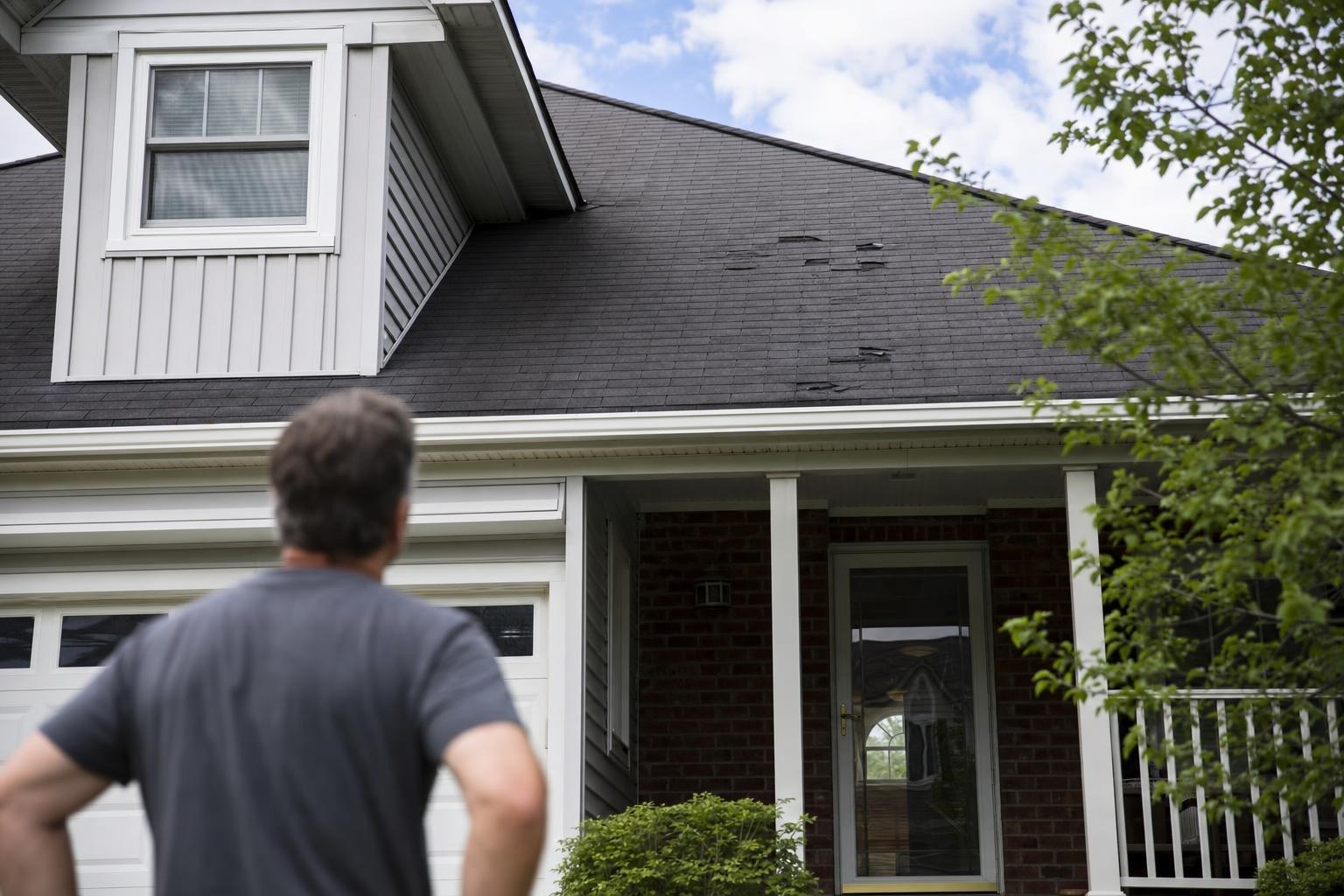
You do not need to climb a ladder to spot most of these warning signs. Walk to the end of your driveway on a clear day and look up. The three signs below are visible from ground level, and they tell you a lot about whether you are looking at a repair or a full replacement.
Sign 1: Curling, Cupping, and Buckling Shingles
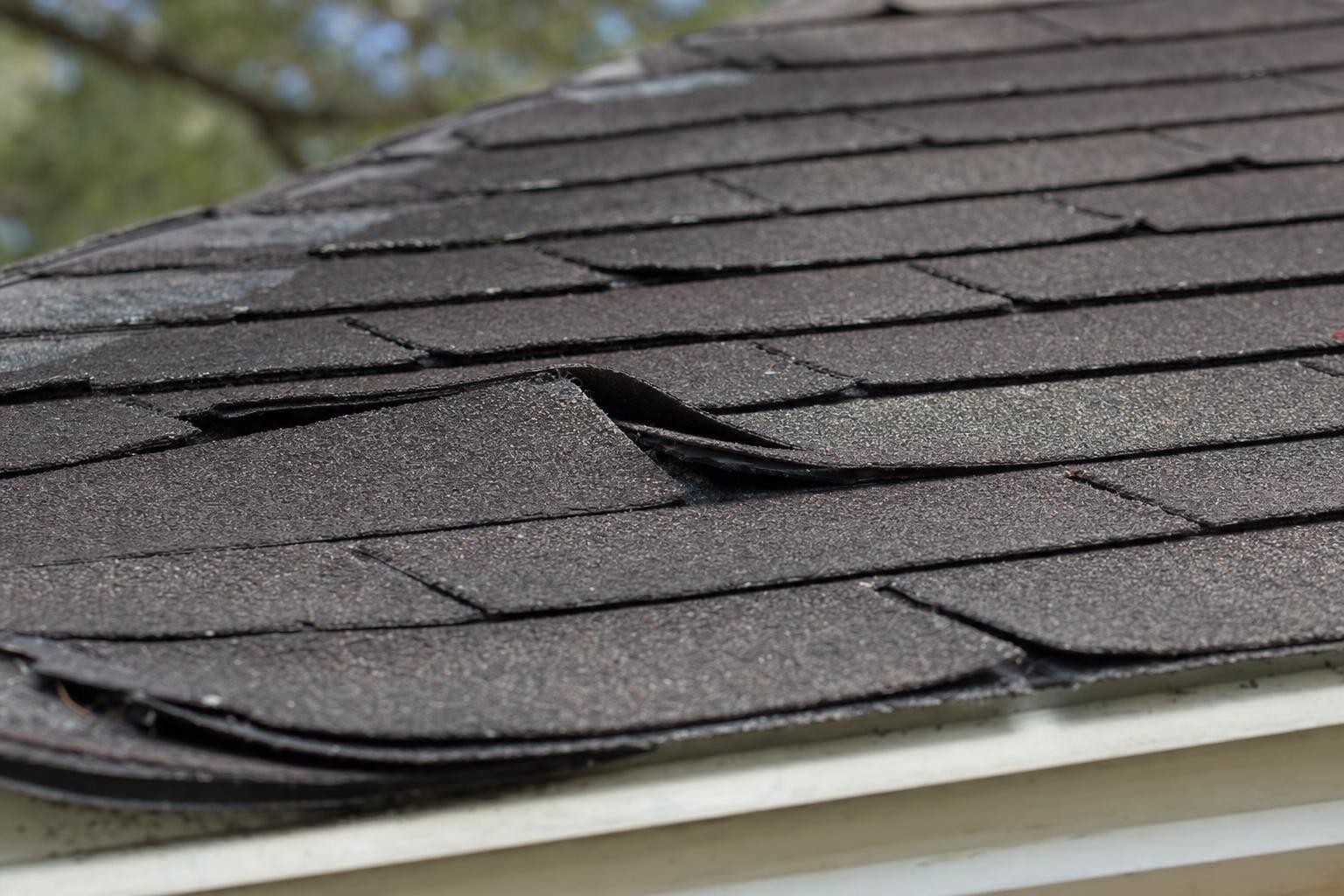
Curling shingles come in two forms. Cupping is when the edges of a shingle curl upward, creating a concave shape. This is caused by moisture soaking into the back of the shingle from below when attic ventilation is poor. Clawing looks different: the middle of the shingle bubbles up while the edges stay flat, happening when the asphalt layer dries out after years of sustained heat. Both leave shingles unable to seal against wind-driven rain. If more than roughly one in four visible shingles shows curling or buckling, spot repair is not cost-effective and a full replacement is the right call.
Sign 2: Missing Shingles or Bare Patches After a Storm
One missing shingle tab can usually be patched. But when you see missing shingles scattered across multiple areas of the roof after a wind event, that is a different problem entirely. Spring storm season across the DFW area brings frequent gusts in the 50 to 70 mph range that expose a systemic failure in the adhesive strip bonding shingles together. If you are seeing bare patches across two or more roof planes after a storm, call us before the next rain hits.
Sign 3: Granule Loss and Bald Spots in Your Gutters
The ceramic granules on asphalt shingles block UV rays, add fire resistance, and absorb impact from hail. When granules wear away, the asphalt mat underneath is exposed directly to the sun. Check your gutters and the ground around your downspouts after it rains. Heavy granule loss on a roof that is 15 years old or more is a clear signal the shingles have used up their useful life.
Signs 4-5: Warning Signs Inside Your Attic and on Your Ceilings
The outside of your roof tells part of the story. Your attic tells the rest. If you have not been up there recently, now is the time to look. These interior warning signs mean water has already entered your home’s structure, and the longer it sits, the more expensive the repair gets.
Sign 4: Water Stains, Mold, and Wet Insulation in the Attic
Grab a flashlight and head up on a sunny day. You are looking for dark streaks running down rafters, soft or discolored insulation batts, and white or black mold colonies on the OSB sheathing. Attics in the Cedar Hill and DeSoto area can hit 130 to 150 degrees Fahrenheit in July and August. Any moisture that gets in during spring storm season creates perfect mold conditions within days. If you see moisture staining across multiple deck panels and mold on several rafters, that is systemic failure. The decking itself is likely compromised. Ignoring it now means replacing far more material later at a significantly higher cost.
Sign 5: Daylight Visible Through the Roof Deck
Turn off your attic lights on a bright afternoon. If you see pinpoints or streaks of light coming through the decking, your weatherproofing envelope is broken. Wind-driven rain and insects are already getting in through those same gaps. Visible daylight is not a minor repair situation. The surrounding decking and underlayment are typically compromised well beyond what the eye can see. This is one of the clearest signs you need a new roof, or at minimum a structural deck replacement.
Signs 6-7: Structural and Material Red Flags That Mean Replace, Not Repair
Sign 6: Sagging or Wavy Roof Deck Lines
Walk to the street and look at your roofline. Sight down the ridge and across each roof plane. A healthy roof shows straight, even lines. If you see dipping, sagging, or a wavy pattern across a plane, the OSB sheathing underneath has likely absorbed moisture and started to delaminate or rot. That is a structural issue, not a surface one. A sagging deck is a clear indicator that knowing when to replace your roof is no longer a future question. It is a now question.
Sign 7: Failing Flashing at Chimneys, Vents, and Valleys
Flashing failures are statistically the most common source of roof leaks. The five highest-frequency failure points on any roof are chimney bases, pipe boots, skylight curbs, HVAC flue stacks, and the valleys where two roof planes meet. Look for visible rust, lifted or separated edges, and cracked cement around any penetration. Those are all failure indicators. If your roof is showing two or more of the signs covered in this article, call Dwello Home Services at (972) 776-4663 to schedule a roof inspection.
Signs 8-9: Age and Persistent Problems
Sign 8: A Roof That Is 20 Years Old or More
Age is one of the clearest indicators of remaining roof life. Most asphalt shingle roofs in North Texas realistically last 15 to 20 years given the heat, UV exposure, and hail frequency. If your roof is approaching or past that threshold, even if it looks okay from the street, a professional inspection can tell you how much life is actually left.
Sign 9: Mold or Moss Growth on the Roof Surface
Dark streaks across your shingles are typically algae. Thick green moss is a more serious issue. Moss holds moisture against the shingle surface and accelerates granule loss. In shaded sections of roofs in southern Dallas County, moss can take hold within five to seven years on older shingles. Biocide treatments can slow growth, but if the underlying shingle is already degraded, treatment is a delay, not a fix.
Frequently Asked Questions
How Long Does a New Roof Installation Take in Duncanville?
Most residential roof replacements in Duncanville take one to three days depending on the size of the home, the roofing material chosen, and weather conditions. Dwello Home Services typically completes a standard asphalt shingle replacement on a single-story home in a single day. Complex rooflines, steep pitches, or the need for decking repairs can extend the timeline by an additional day or two.
How Much Does a Full Roof Replacement Cost in Duncanville, TX?
Roof replacement costs in Duncanville generally range from $8,000 to $20,000 or more depending on square footage, material type, and the condition of the underlying deck. Dwello Home Services provides free on-site estimates so homeowners get an accurate number before committing to any work.
Can I File a Homeowners Insurance Claim for a Roof Replacement?
Yes, many roof replacements in the Duncanville area qualify for insurance coverage when the damage is caused by a covered peril such as hail, wind, or a fallen tree. Dwello Home Services can walk you through the inspection process and provide documentation that supports your claim.
Is It Safe to Stay in My Home During a Roof Replacement?
In most cases, yes. You should expect noise, vibration, and some disruption to your daily routine throughout the workday. Dwello Home Services takes precautions to secure the perimeter, protect landscaping, and minimize debris so the process is as non-intrusive as possible for your family.
How Do I Know If I Need a Full Replacement or Just a Repair?
A repair is usually sufficient when damage is isolated to a small section and the rest of the roof is in good condition. Replacement becomes the better investment when the roof is approaching 20 to 25 years old, damage covers more than 30 percent of the surface, or underlying decking is compromised. Dwello Home Services performs honest assessments and will never recommend a full replacement when a targeted repair is the right call.
What Roofing Materials Work Best for Duncanville’s Climate?
Duncanville experiences intense summer heat, periodic hailstorms, and strong thunderstorm winds, which makes impact-resistant Class 4 asphalt shingles a popular and practical choice. Metal roofing is another strong option because it handles heat, wind, and hail exceptionally well and can last 40 to 70 years with minimal maintenance.
How Soon After Getting a New Roof Should I Schedule a Follow-Up Inspection?
Dwello Home Services recommends scheduling a post-installation walkthrough within 30 days to confirm everything is sealed correctly and no minor issues developed during the initial settling period. After that, an annual professional inspection each spring helps catch storm damage or wear early before it turns into a costly problem.
Ready to Get Started with Dwello Home Services?
Call (972) 776-4663 to speak with our team directly. We are ready to answer your questions, walk you through your options, and help you find the right solution for your needs. Whether you are just starting to plan or ready to move forward, we will make the process simple and stress-free. Reach out today and let us talk about how we can help.